Credit cards for building credit can help you create a positive credit history when you use them carefully, pay on time, and keep balances low. In 2026, the strongest options include secured cards, student cards, and credit-builder cards that report activity to Equifax, Experian, and TransUnion.
TL;DR: Best Options for Building Credit in 2026
- Best Overall: Discover it® Secured Credit Card — strong secured-card option with no annual fee and a refundable deposit.
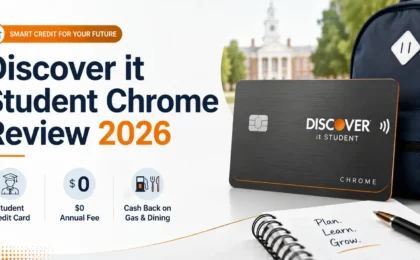
- Best for Students: Discover it® Student Chrome — a practical student card with no annual fee and no credit score required to apply.
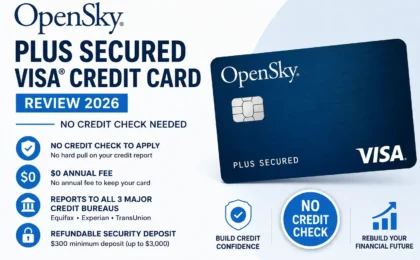
- Best for Bad Credit: OpenSky® Plus Secured Visa® Credit Card — no annual fee and no credit check required to apply.
| Card Category | Recommended Card | Annual Fee | Credit Check Required? |
|---|---|---|---|
| Best Overall Secured Card | Discover it® Secured Credit Card | $0 | Yes |
| Best Low-Deposit Secured Card | Capital One Platinum Secured Credit Card | $0 | Yes |
| Best No-Credit-Check Credit Builder Card | Chime Card / Credit Builder | $0 | No |
| Best for Bad Credit | OpenSky® Plus Secured Visa® Credit Card | $0 | No |
| Best Student Starter Card | Discover it® Student Chrome | $0 | No credit score required to apply |
What Are Credit Cards for Building Credit?
Credit cards for building credit are cards designed for people with limited, thin, or damaged credit history. They can help establish positive credit data when the issuer reports account activity to credit bureaus and the cardholder makes on-time payments while keeping balances low.
The most common categories are secured credit cards, student credit cards, and credit-builder cards. These products are not magic tools. They work because they create reportable activity: payment history, account age, balance behavior, and credit utilization ratio.
A secured card usually requires a refundable security deposit. For example, if you deposit $300, your credit line may also be $300. The issuer uses that deposit as protection, which can make approval easier for beginners or people rebuilding after credit damage.
Some people search for “secured credit credit cards,” but the correct term is usually secured credit cards. These cards can be useful if they report to the major credit bureaus: Equifax, Experian, and TransUnion.
Top Picks: The Best Credit Cards for Building Credit Right Now
The best credit cards for building credit are not always the cards with the biggest rewards. For beginners, the priority should be simple: low fees, transparent terms, reporting to the major credit bureaus, and a realistic approval path.

Discover it® Secured Credit Card
- Annual Fee: $0
- Security Deposit: Refundable
- Reports To: 3 Major Credit Bureaus
- Recommended Credit: Building or Rebuilding
- Key Benefit: Better long-term profile than high-fee cards
The Discover it® Secured Credit Card is one of the strongest overall choices for people who want a traditional secured card with no annual fee. It requires a refundable security deposit, and responsible use can help build credit history over time.
This card is a good fit for someone who wants a straightforward secured card from a major issuer. It can be especially useful if your main goal is to establish a track record of on-time payments without paying an annual fee.

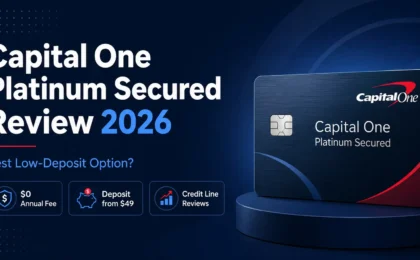
Capital One Platinum Secured Credit Card
- Annual Fee: $0
- Security Deposit: Potentially Low (Refundable)
- Reports To: 3 Major Credit Bureaus
- Recommended Credit: Building or Rebuilding
- Key Benefit: Ideal for rebuilding after credit setbacks
The Capital One Platinum Secured Credit Card is a strong option for people who want a secured card but may qualify with a lower initial deposit than many traditional secured cards require. Depending on eligibility, the minimum deposit may be lower than the starting credit line.
This card belongs on any list of the best secured credit cards because it combines no annual fee with a clear credit-building purpose.

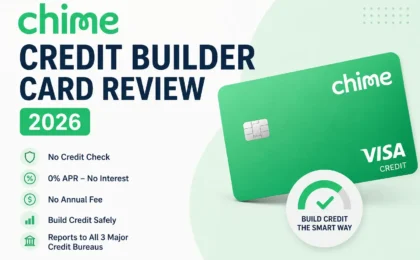
Chime Card / Credit Builder
- Annual Fee: $0
- Security Deposit: None (No Credit Check)
- Reports To: 3 Major Credit Bureaus
- Recommended Credit: No Credit History Needed
- Key Benefit: Build credit without traditional card debt
The Chime Card, also known through Chime’s Credit Builder structure, is designed for people who want to build credit without a traditional credit check. It has no annual fee, no interest, and no hard credit check to apply.
Unlike many traditional cards, Chime’s model is linked to money moved into a secured account. That structure can reduce the risk of overspending because your spending limit is tied to money you have already set aside.

OpenSky® Plus Secured Visa® Credit Card
- Annual Fee: $0
- Security Deposit: Required (No Credit Check)
- Reports To: 3 Major Credit Bureaus
- Recommended Credit: Bad Credit or Rebuilding
- Key Benefit: Clear structure for rebuilding past credit setbacks
The OpenSky® Plus Secured Visa® Credit Card is designed for people who want a secured card without a credit check. It can be a useful option for applicants with bad credit, no credit, or a limited file.
Unlike some older subprime products, the Plus version has no annual fee. It also reports to the major credit bureaus, which is essential for building a stronger credit profile.

Discover it® Student Chrome
- Annual Fee: $0
- Security Deposit: None (Unsecured Student Card)
- Reports To:: 3 Major Credit Bureaus
- Recommended Credit: College Students (No Score Required)
- Key Benefit: Simple first-card strategy with rewards
The Discover it® Student Chrome is one of the great starter credit cards for college students who want to build credit early. It has no annual fee and is designed for students who may have limited or no credit history.
Student cards can be easier to understand than premium rewards cards. That matters because the main goal is not maximizing points. The goal is learning how credit works without carrying debt.
How to Get Credit with a Credit Card: A Beginner’s Guide
Learning how to get credit with a credit card is mostly about using a simple product consistently and avoiding the mistakes that damage new credit files.
- Check your credit reports first.
Review your credit reports from Equifax, Experian, and TransUnion through AnnualCreditReport.com. Look for errors, unfamiliar accounts, or negative marks that may affect your approval odds. - Choose the right starter card.
If you have no credit, consider a student card, secured card, or no-credit-check credit-builder card. If you have bad credit, secured cards are usually more realistic than unsecured rewards cards. - Avoid applying for too many cards at once.
A credit card application may create a hard inquiry. Too many hard inquiries in a short period can make you look risky to lenders. - Use the card for small purchases only.
A good beginner strategy is to use the card for one or two predictable expenses, such as a phone bill or streaming subscription. - Keep your credit utilization ratio low.
Credit utilization is the percentage of your available credit you are using. If your card has a $300 limit, a $90 balance equals 30% utilization. - Pay the full statement balance every month.
Paying in full helps you avoid interest and shows responsible use. Carrying a balance is not required to build credit. - Set up autopay.
On-time payments are one of the most important parts of your credit profile. Autopay can protect you from missed due dates. - Wait before applying for the next card.
Give your first card time to report several months of positive activity before adding another account. - Track your FICO Score over time.
Your score may not jump immediately. Building credit is a sequence of positive data points, not a one-month event. - Upgrade only when your habits are stable.
After 6 to 12 months of responsible use, you may be ready to consider an unsecured card, a higher limit, or a better rewards product.
3 Golden Rules to Improve Your FICO Score
Your FICO Score is influenced by several categories, including payment history, amounts owed, credit history length, new credit, and credit mix. For beginners, three habits matter most: paying on time, keeping utilization low, and applying carefully.
Keep Your Credit Utilization Under 30%
Your credit utilization ratio compares your reported card balance to your credit limit. A lower ratio is generally better.
For example:
- $30 balance on a $300 limit = 10% utilization
- $90 balance on a $300 limit = 30% utilization
- $240 balance on a $300 limit = 80% utilization
A good rule is to keep utilization under 30%. If possible, aim even lower. Many strong credit profiles show single-digit utilization, but beginners should first focus on staying below the 30% line.
This matters more with secured cards because starting limits are often low. A few everyday purchases can make your reported balance look high. To manage this, you can make an extra payment before the statement closing date.
Always Pay On Time (Set Up Autopay)
On-time payments are essential. A single missed payment can hurt your credit-building progress and may stay on your credit report for years.
Set up autopay for at least the minimum payment. If you can, pay the full statement balance every month. This avoids interest and keeps your card from turning into expensive debt.
A strong setup is:
- Autopay minimum payment as a safety net
- Calendar reminder before the due date
- Manual full-balance payment each month
- Spending limit that stays far below your actual credit limit
Avoid Unnecessary Hard Inquiries
A hard inquiry can happen when you formally apply for a credit card or loan. One inquiry is usually manageable, but repeated applications can hurt your approval odds.
Before applying, check whether the issuer offers prequalification or preapproval with a soft pull. A soft pull does not usually affect your credit score. It is not a guarantee of approval, but it can help you compare options before submitting a full application.
For new credit builders, the goal is not to collect cards quickly. The goal is to establish a clean record.
Secured vs. Unsecured Starter Cards
Secured cards require a refundable security deposit. Unsecured cards do not require a deposit, but they may be harder to get with no credit or bad credit.
For many beginners, a secured card is the more predictable path. The deposit lowers the issuer’s risk, which can make approval easier. If the card reports to the credit bureaus, your responsible use can help build credit history.
Unsecured starter cards can also work, especially for students or applicants with fair credit. However, some unsecured cards for bad credit come with high fees. Always read the pricing terms before applying.
What Makes the Best Credit Builder Credit Cards?
The best credit builder credit cards usually have five traits:
- Reports to all three major credit bureaus
Reporting to Equifax, Experian, and TransUnion gives your positive activity the best chance of appearing across your credit reports. - Low or no annual fee
Paying a high fee just to build credit is usually unnecessary when better options exist. - Clear approval path
A good starter card should be realistic for your credit profile. - Low risk of overspending
Secured deposits, low limits, and autopay tools can help beginners stay disciplined. - Upgrade potential
Some issuers may eventually review your account for a higher limit, deposit return, or unsecured card.
Common Mistakes to Avoid
Building credit is simple, but it is not always easy. Avoid these mistakes:
- Applying for too many cards in a short period
- Carrying a balance because you think it helps your score
- Maxing out a low-limit card
- Missing the payment due date
- Ignoring annual fees
- Choosing a card that does not report to the credit bureaus
- Closing your first card too early without considering credit history length
- Using credit as extra income instead of a payment tool
The safest strategy is boring: charge small amounts, pay in full, repeat every month.
Which Card Should You Choose?
Choose based on your current credit situation:
- No credit and not a student: Start with Discover it® Secured, Capital One Platinum Secured, Chime, or OpenSky Plus.
- College student: Consider Discover it® Student Chrome or another student card with no annual fee.
- Bad credit: Consider no-credit-check secured options like OpenSky Plus or a deposit-based builder card.
- Thin credit but stable income: Consider a secured card from a major issuer with a path to upgrade.
- Overspending risk: Consider a card structure like Chime that limits spending to money you move into the account.
The best card is the one you can use responsibly every month.
FAQ
Do secured credit cards build credit?
Yes, secured credit cards can build credit if the issuer reports your account activity to the credit bureaus and you use the card responsibly. The key habits are making on-time payments, keeping your credit utilization ratio low, and avoiding unnecessary debt.
What is the fastest way to build credit with a credit card?
The fastest responsible path is to use a starter card for small purchases, pay on time every month, keep utilization under 30%, and avoid frequent applications. Credit building still takes time because scores depend on reported history.
Do I need to carry a balance to build credit?
No. You do not need to carry a balance or pay interest to build credit. Paying your full statement balance each month can still create positive payment history if the card reports to the credit bureaus.
Are secured cards better than unsecured cards for beginners?
Secured cards are often better for beginners with no credit or bad credit because approval may be easier. However, students or applicants with fair credit may qualify for unsecured starter cards with no annual fee.
What credit bureaus matter for building credit?
The three major U.S. credit bureaus are Equifax, Experian, and TransUnion. For credit-building purposes, it is best to use a card that reports to all three.
What is a good credit utilization ratio?
A common guideline is to keep your credit utilization ratio under 30%. Lower can be better, especially if you are preparing to apply for a loan, apartment, or another credit card.
Will applying for a credit card hurt my score?
A formal application may create a hard inquiry, which can affect your score temporarily. Prequalification or preapproval tools may use a soft pull, which generally does not affect your credit score.
What are great starter credit cards for beginners?
Great starter credit cards usually include secured cards, student cards, and credit-builder cards with low fees, transparent terms, and credit bureau reporting. Discover it® Secured, Capital One Platinum Secured, OpenSky Plus, Chime, and Discover it® Student Chrome are examples to compare.
Final Takeaway
The best credit cards for building credit are not about luxury perks. They are about creating a reliable record of responsible use.
Start with a card you can qualify for, keep your balance low, pay on time, and avoid unnecessary applications. Whether you choose a secured card, student card, or no-credit-check builder card, the formula is the same: small purchases, full payments, low utilization, and patience.
Over time, that simple system can help you move from no credit or bad credit toward stronger borrowing options.
Disclaimer & Editorial Disclosure
Informational Purposes Only: The information provided on Wealth Logic Hub is for educational and informational purposes only and does not constitute financial, legal, tax, credit, or investment advice. Credit card terms, fees, approval standards, rewards, and reporting practices can change. Always review the issuer’s official terms and consult a qualified financial professional before making significant financial decisions.
Advertiser Disclosure: Wealth Logic Hub is an independent, advertising-supported publisher and comparison service. We may receive compensation from credit card issuers, financial companies, or partners whose products appear on this site. This compensation may affect how and where products appear, including the order in which they are displayed. Wealth Logic Hub does not include all credit card companies, financial institutions, or available card offers in the marketplace.
Editorial Note: Opinions, reviews, and card evaluations expressed in this article are the author’s alone and have not been reviewed, approved, or otherwise endorsed by any bank, credit card issuer, advertiser, or financial partner.